Advantages of using Fox porous hose
Environmental Conservation and Sustainability
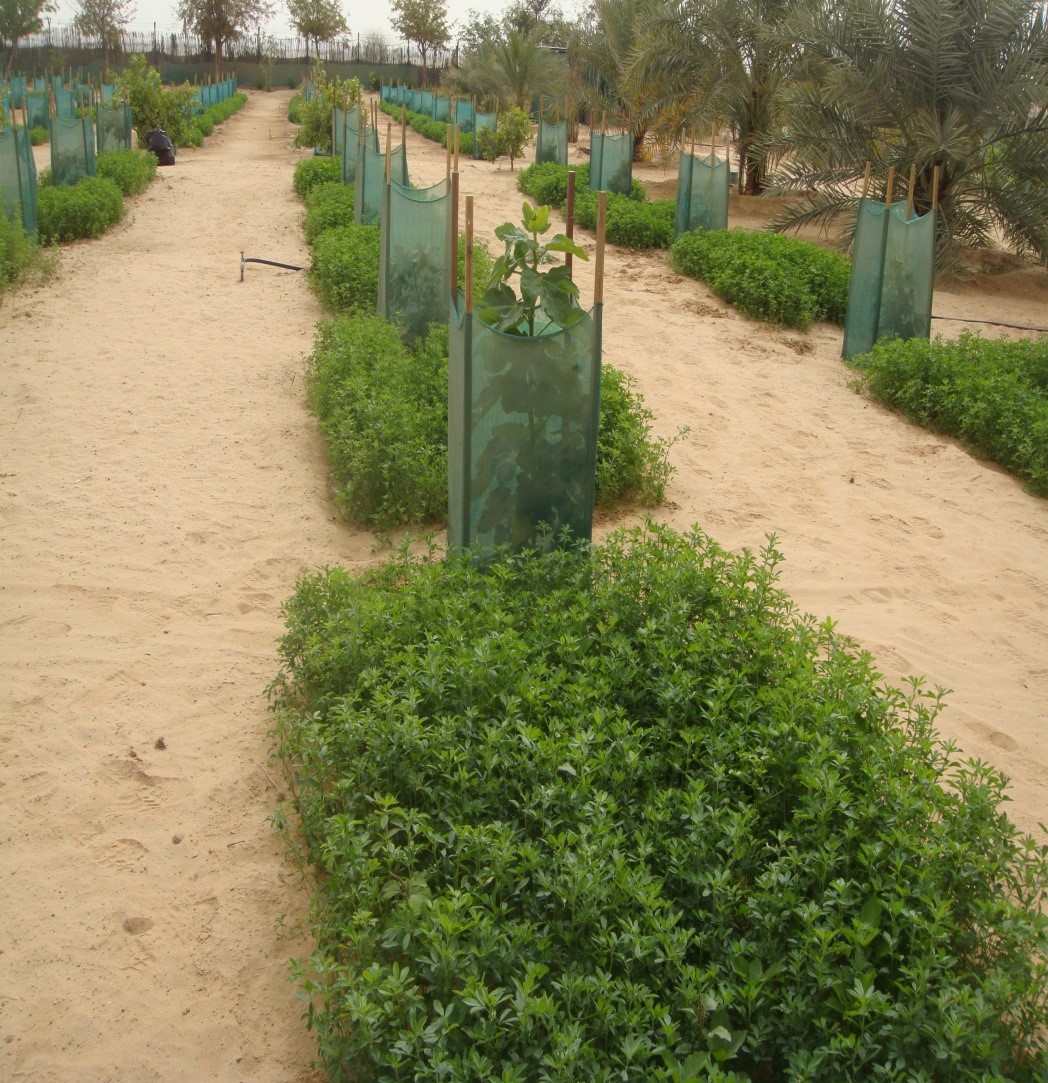
- Saving and optimizing water consumption by 45% to 50% compared to surface irrigation systems.
- Completely eliminating environmental pollution from weedkillers and reducing the use of insecticides and fungicides by 50%.
- Increasing soil fertility through the capability of injecting air, soil sterilizers, and root conditioners via the irrigation network.
- The ability to utilize various soil types, including waterlogged or highly permeable soils.
- Contributing to overcoming salinity issues in desert lands and facilitating regular soil leaching.
- Preventing environmental pollution and health hazards when utilizing treated wastewater for irrigation.
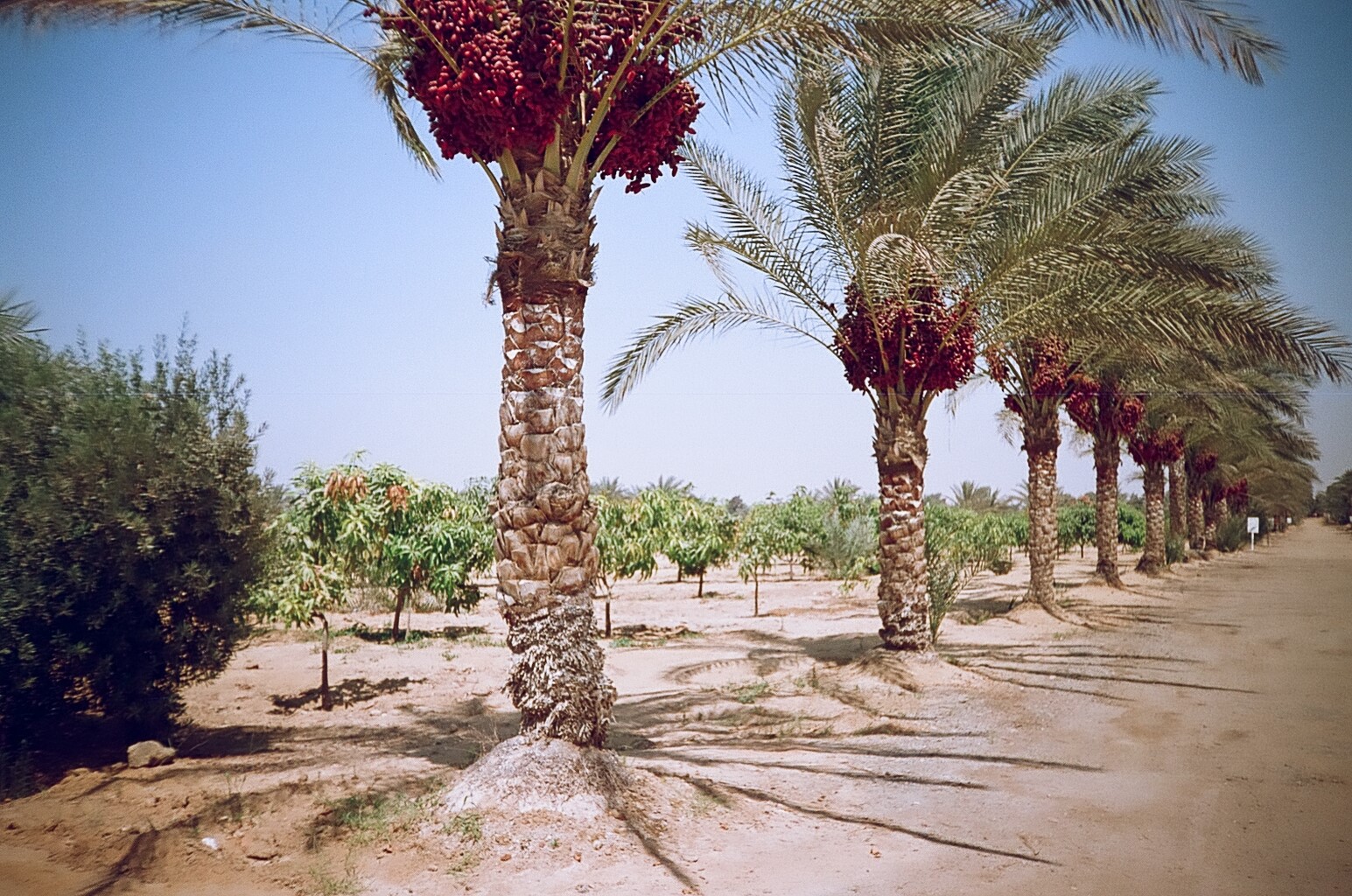
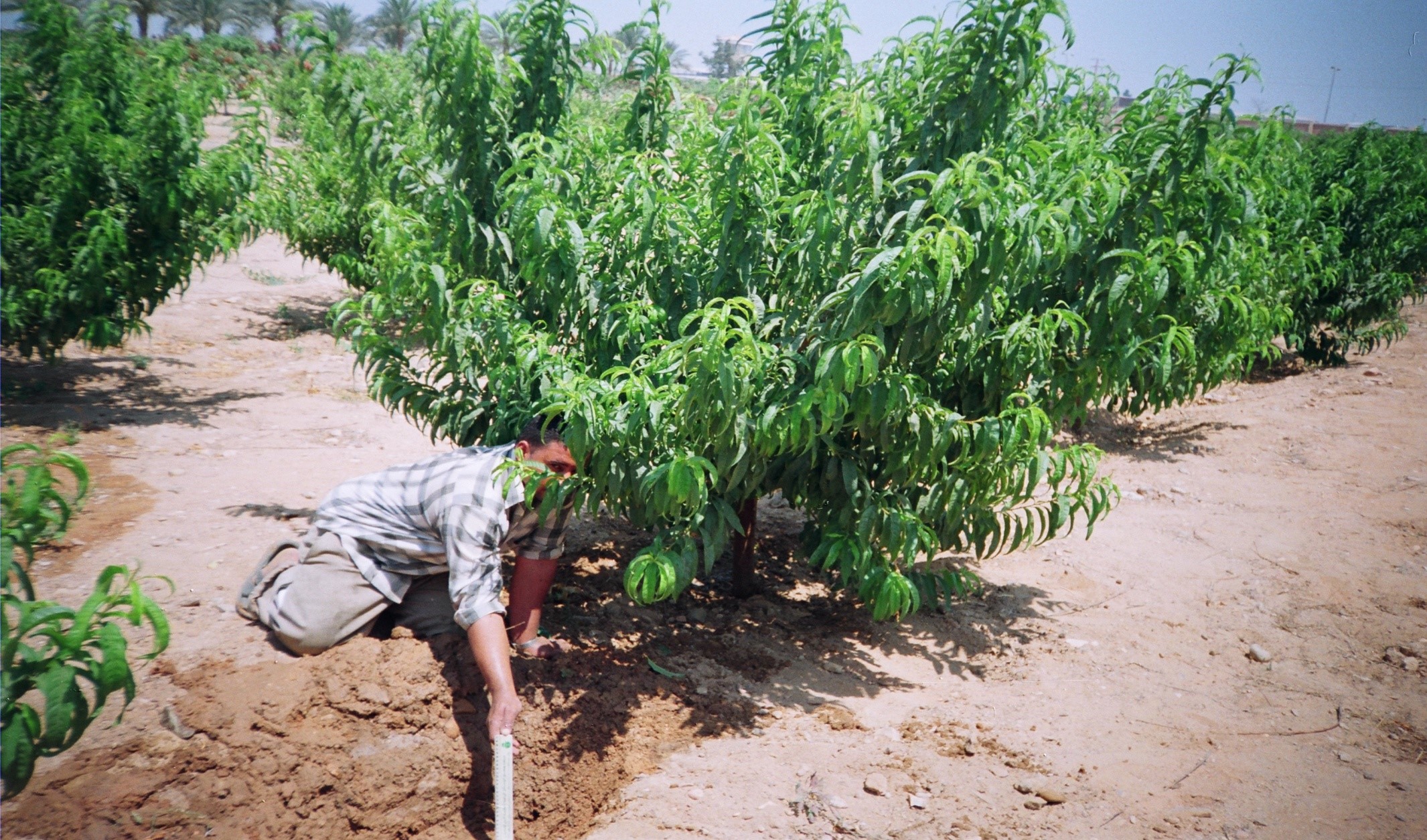
Increasing the Vegetative and Fruit Growth Rates of Plants by 20% to 25%
- Providing consistent and optimal moisture levels within the root zone.
- Ensuring equal distribution of fertilizers and nutrients, particularly slow-moving elements like phosphorus.
- Reducing insect and fungal infestations due to a dry soil surface and improved aeration.
- Eliminating competition between weeds and crops for water and nutrients.
Low Operation and Maintenance Costs
- Provides 30% to 35% energy savings during operation due to its low-pressure functionality.
- Saves 70% to 75% of the labor required for irrigation, fertilization, and weed control operations.
- Saves 40% to 45% of fertilizers and pesticides due to reduced competition with weeds.
- Increases the lifespan of porous hoses by protecting them from weathering factors and chemical effects.
General Features of the System
- Suitable for irrigating all types of crops, trees, landscaping, wild vegetation, and greenhouses.
- Operates efficiently with all types of water, including wastewater and high-salinity water.
- Irrigation efficiency exceeds 90% due to the preservation of soil moisture content.
- The irrigation program can operate at all times, even at noon and in public parks.
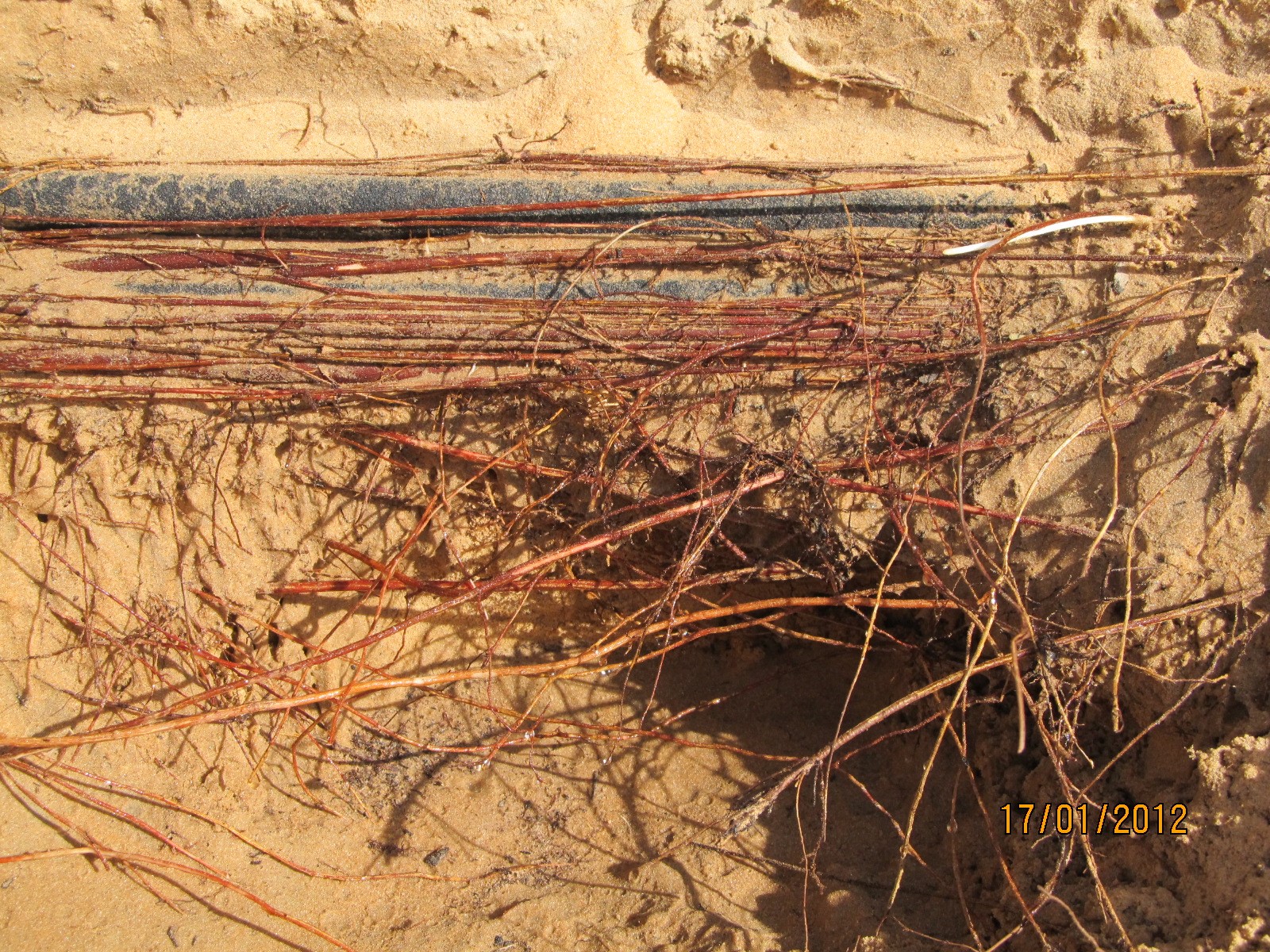
- Roots do not penetrate the hoses, even during severe drought periods, due to the absence of direct perforations.